
In today’s competitive industrial market, your website is often the first point of contact for potential customers. It is more than a simple online brochure because it reflects your brand credibility and expertise. If your website fails to clearly communicate trust, professionalism, and capability within seconds, you may lose valuable business opportunities.
Buyers in the manufacturing space are doing their research online. A slow, outdated, or confusing website will likely push them toward a competitor with a stronger digital presence.
This is why working with a manufacturing website design company matters. Effective design isn’t just about visuals. It requires a focus on user experience, search optimization, and clear messaging to make your capabilities stand out and convert visitors into leads.
What Defines the Best Websites for Manufacturers?
The best websites for manufacturers strike the perfect balance between design and function. They don’t just look modern—they work hard behind the scenes to support sales teams, rank in search, and communicate technical value in a way that’s easy to digest.
Here’s what sets top-performing sites apart:
- Strategic SEO to get found by the right buyers
- Fast load times and mobile-friendly layouts
- Clear navigation with intuitive user paths
- Strong visuals that reflect real capabilities—no generic stock
- Compelling copy that speaks to engineers, buyers, and decision-makers
- Calls to action that convert casual visitors into leads
Whether it’s a global supplier or a niche B2B manufacturer, the top 10 manufacturing websites all prioritize user experience, clarity, and search visibility. Without that foundation, even great products get buried.
10 Best Manufacturing Websites We Designed
From industrial B2B suppliers to high-precision manufacturers, the following websites represent some of the best in the industry—because we built them to be. Each site was designed with a clear strategy, custom-tailored to the client’s goals, and optimized for visibility, usability, and conversion.
These aren’t just good-looking websites. They’re purpose-built digital tools designed to win in competitive markets.
1. GlassWalk
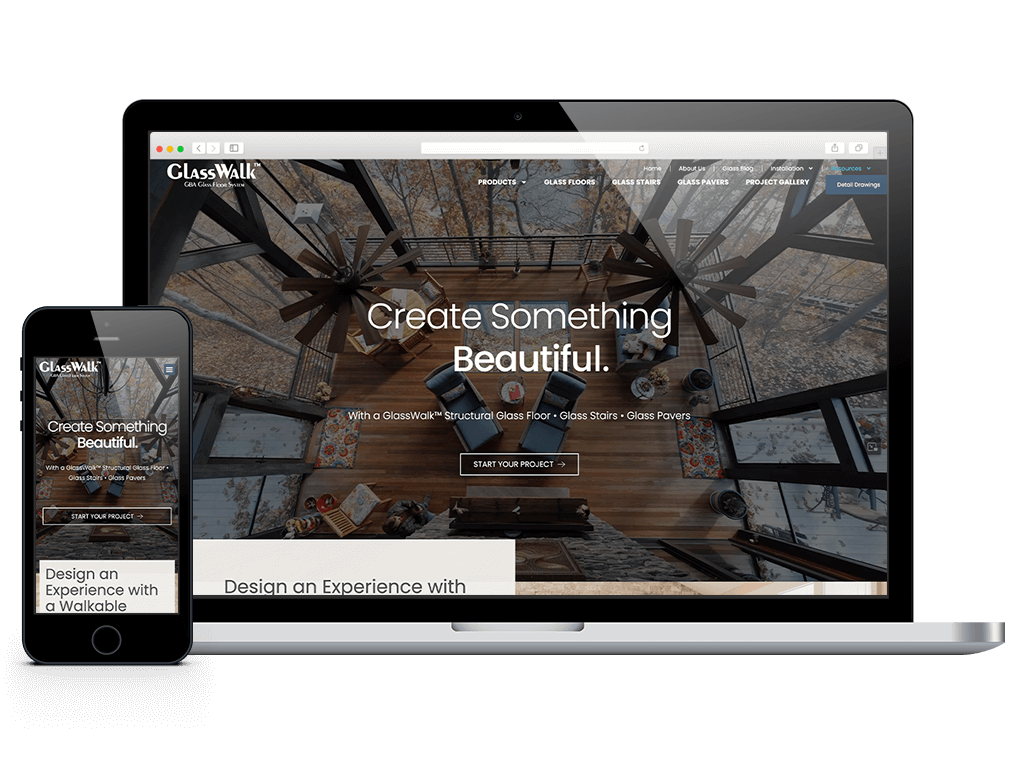
A visually stunning product deserves an equally stunning website. We helped GlassWalk transform its online presence to better connect with architects and engineers.
- Challenge: Outdated site didn’t reflect the architectural quality of the product.
- Goal: Appeal to design professionals with strong visuals and technical trust.
- Solution: High-impact imagery, streamlined content, and SEO targeting terms like “glass flooring systems” and “walkable glass.”
2. RW Martin
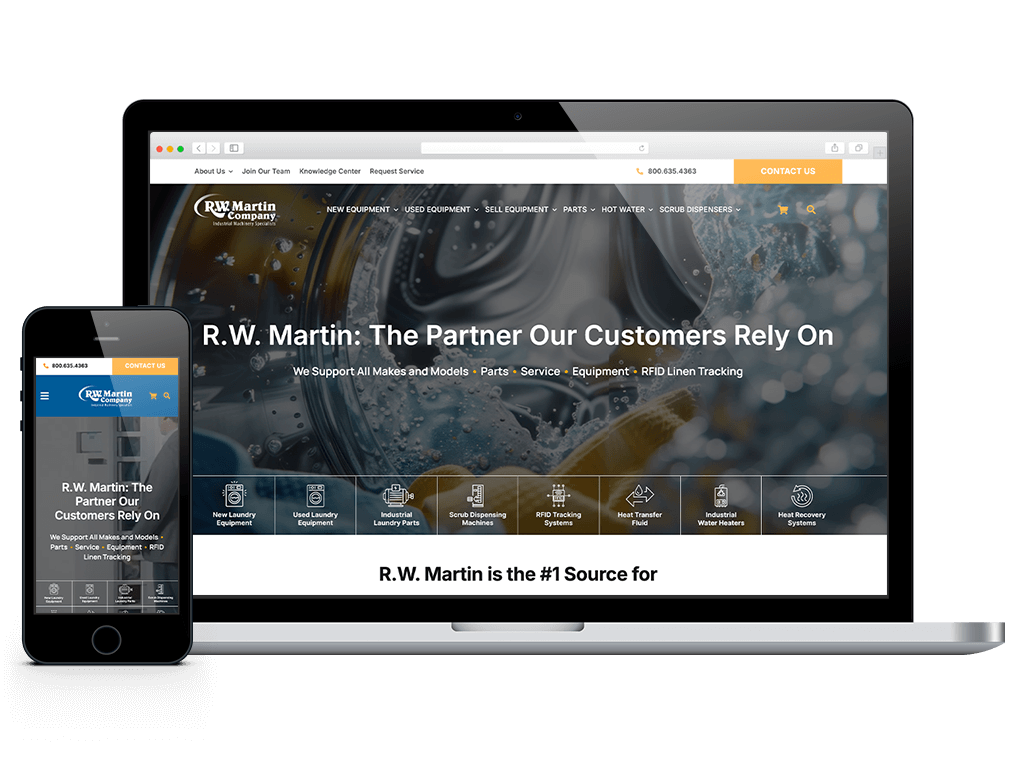
RW Martin needed a site that matched the scale and depth of its offerings. We delivered a clean, conversion-focused platform that also works as a daily sales tool.
- Challenge: Cluttered layout and poor search visibility.
- Goal: Support the sales process and clearly present complex solutions.
- Solution: Simplified navigation, SEO-optimized equipment pages, and clear CTAs that drive inquiries.
3. Brookfield Wire
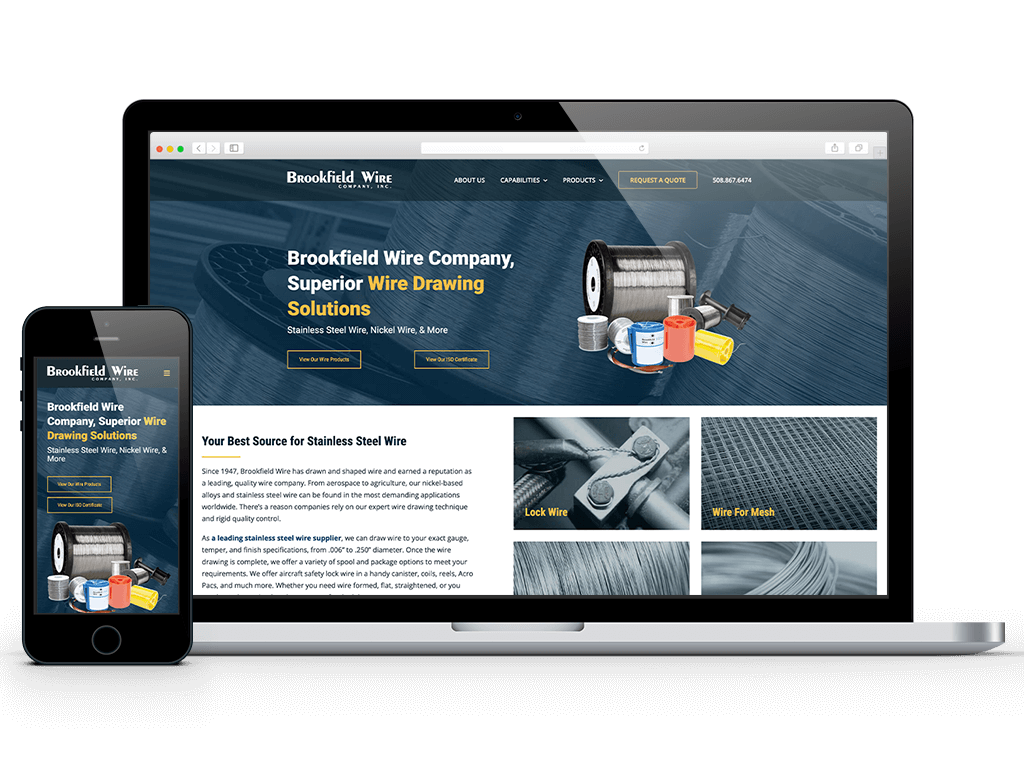
Brookfield Wire needed a modern website to reflect its legacy and capabilities in high-performance wire products. The goal was clarity, credibility, and stronger SEO.
- Challenge: Outdated site didn’t showcase technical expertise or product range.
- Goal: Modernize design, improve search visibility, and attract qualified leads.
- Solution: Clean, professional layout with strong product pages and keyword-rich content to support terms like “stainless steel wire” and “nickel alloy wire.”
4. GBA Architectural Products
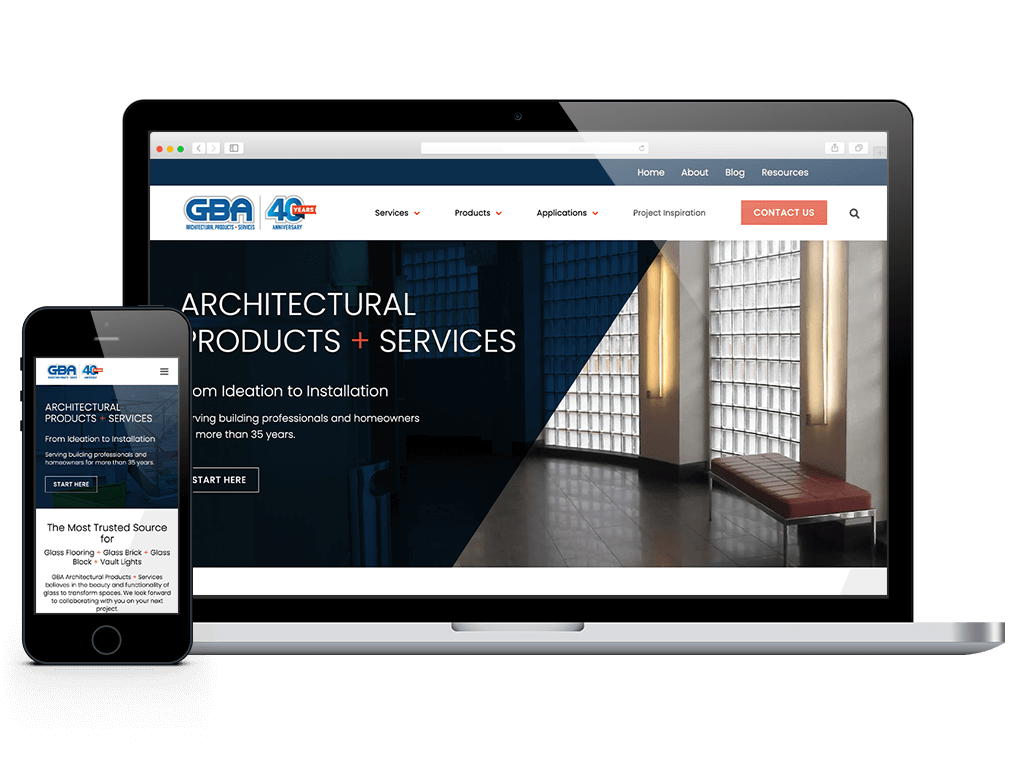
GBA fabricates custom glass solutions for high-performance commercial and institutional applications. With the recent acquisition of the GlassWalk product line, they needed a digital presence that could position them as a design-focused leader in architectural glass.
- Challenge: Their previous website lacked brand clarity and didn’t reflect GBA’s evolving product offerings.
- Goal: Elevate the company’s perception among architects and project planners, and clearly integrate new capabilities like walkable glass systems.
- Solution: A refreshed brand experience with bold visuals, segmented content for different product lines, and SEO targeting commercial and architectural glass terminology.
5. NMG Aerospace
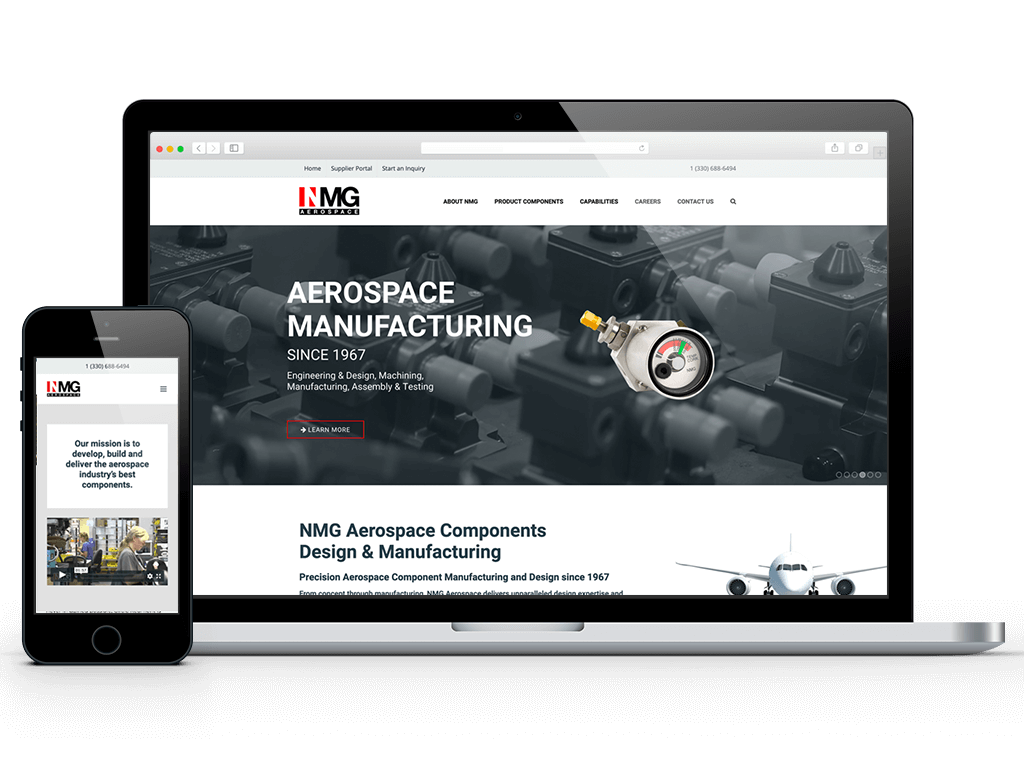
GBA fabricates custom glass solutions for high-performance commercial and institutional applications. With the recent acquisition of the GlassWalk product line, they needed a digital presence that could position them as a design-focused leader in architectural glass.
- Challenge: Their previous website lacked brand clarity and didn’t reflect GBA’s evolving product offerings.
- Goal: Elevate the company’s perception among architects and project planners, and clearly integrate new capabilities like walkable glass systems.
- Solution: A refreshed brand experience with bold visuals, segmented content for different product lines, and SEO targeting commercial and architectural glass terminology.
6. Danroc
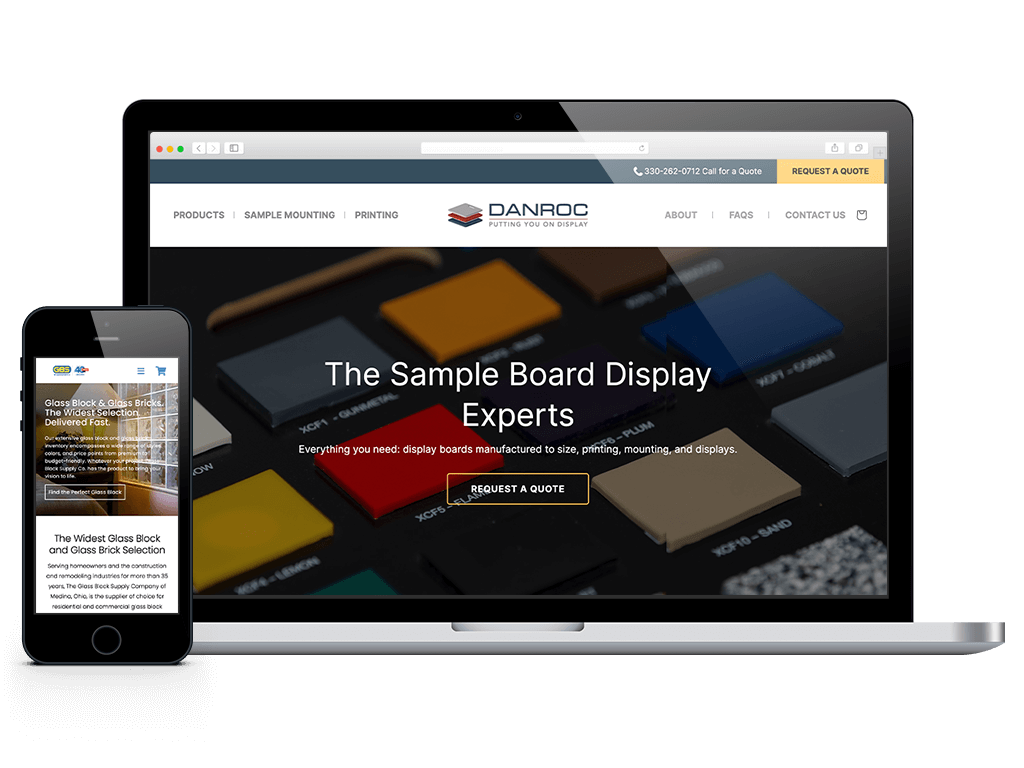
Danroc creates custom display boards that help manufacturers in flooring, tile, and stone industries showcase their products to buyers. Their old website was limiting—not just visually, but functionally.
- Challenge: Outdated look, missing key pages (like printing), and poor SEO support.
- Goal: Make it easier for marketing managers to understand services, request quotes, and find Danroc through search.
- Solution: A straightforward, professional site with updated content structure, new pages for printing and mounting, and SEO optimized for keywords like “stone sample boards” and “sales display boards”.
7. Enterprise Rubber
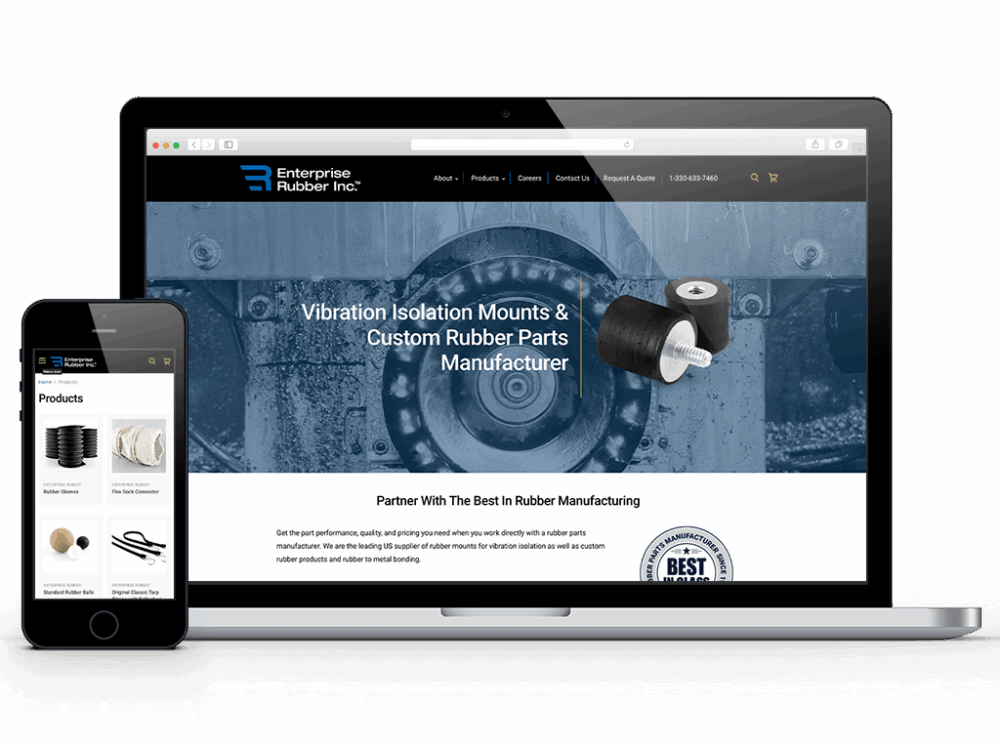
Enterprise Rubber is a family-owned manufacturer known for solving vibration issues in industrial equipment and offering custom rubber solutions made entirely in-house.
- Challenge: The previous site lacked SEO visibility and didn’t support their evolving sales goals.
- Goal: Improve discoverability, build a direct-to-consumer channel, and showcase product range without undermining distributor relationships.
- Solution: SEO-driven redesign focused on vibration isolation mounts and tarp straps, improved part searchability, and built-in pathways for both B2B and DTC growth.
8. Jaco Products
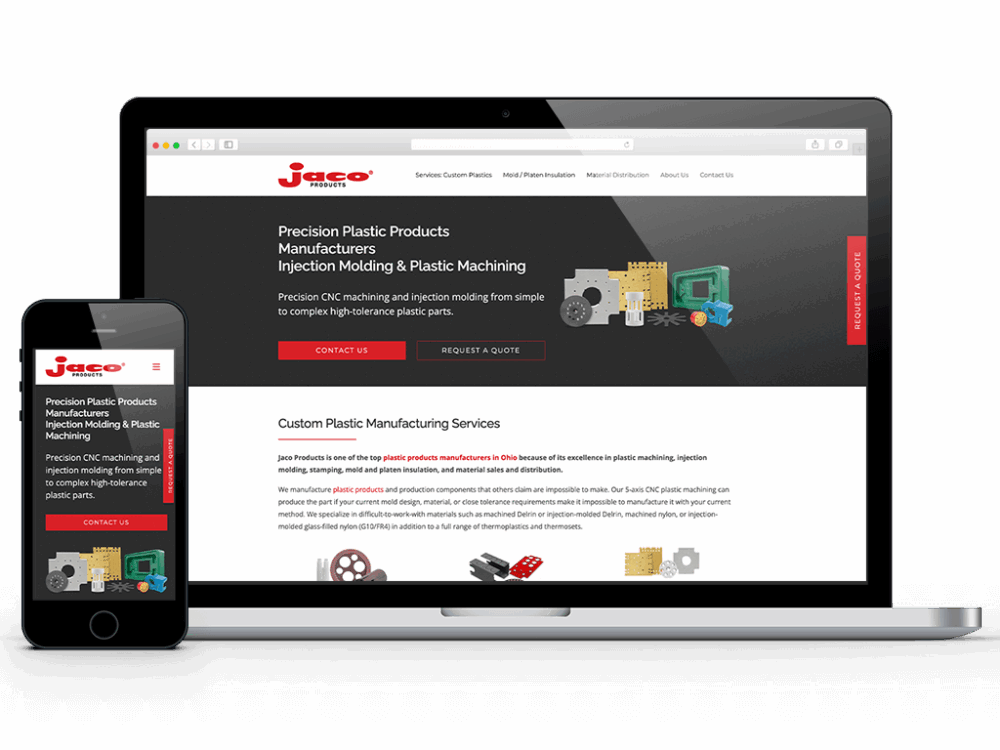
Jaco Products serves industries like aerospace, medical, and electronics with high-performance plastic components. Their old site was dense and technically accurate—but hard to navigate and poorly optimized for search.
- Challenge: Overwhelming content layout and lack of SEO structure.
- Goal: Make technical capabilities accessible to engineers while increasing inbound traffic.
- Solution: Streamlined navigation, simplified copy, and strong SEO targeting terms like “plastic machining,” “custom plastic components,” and specific materials like Torlon and PTFE.
9. Cleveland Electric Laboratories
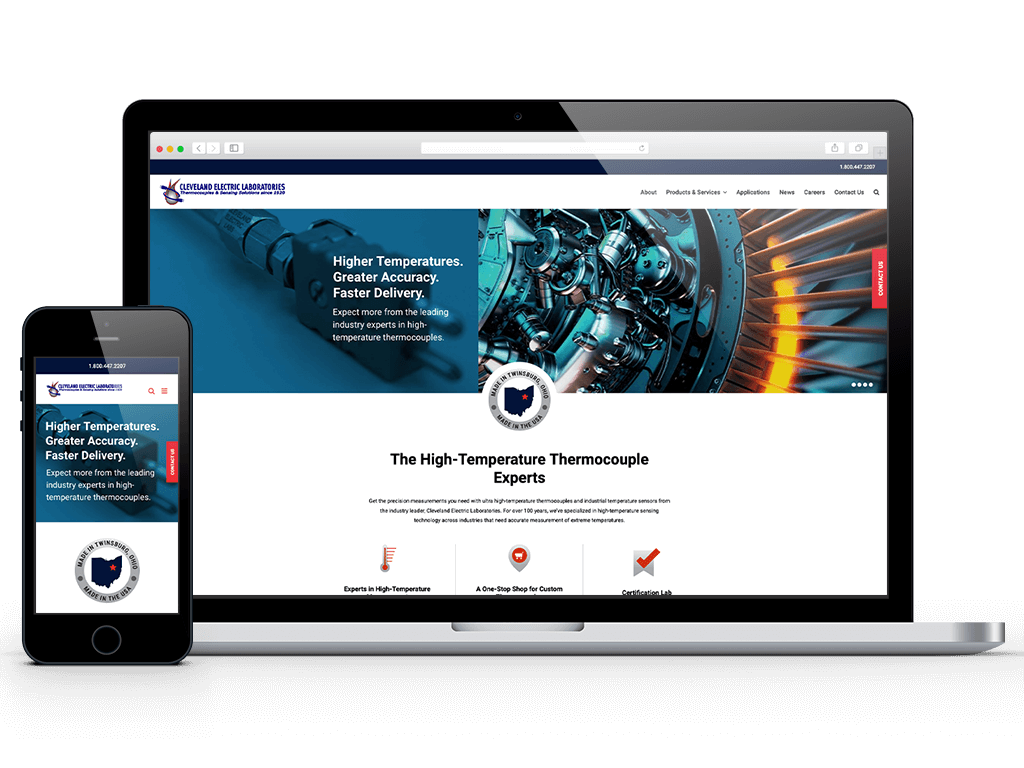
CEL provides advanced temperature sensors and thermocouples for industries like aerospace, energy, and manufacturing. Their previous website didn’t reflect their technical leadership or extensive in-house capabilities.
- Challenge: Poor layout and minimal content on critical products.
- Goal: Position CEL as a precision engineering partner and increase lead quality.
- Solution: Designed a clean, professional interface with technical depth, added detailed product and application pages, and optimized for terms like “custom thermocouples” and “temperature sensing solutions.”
10. J&O Plastics
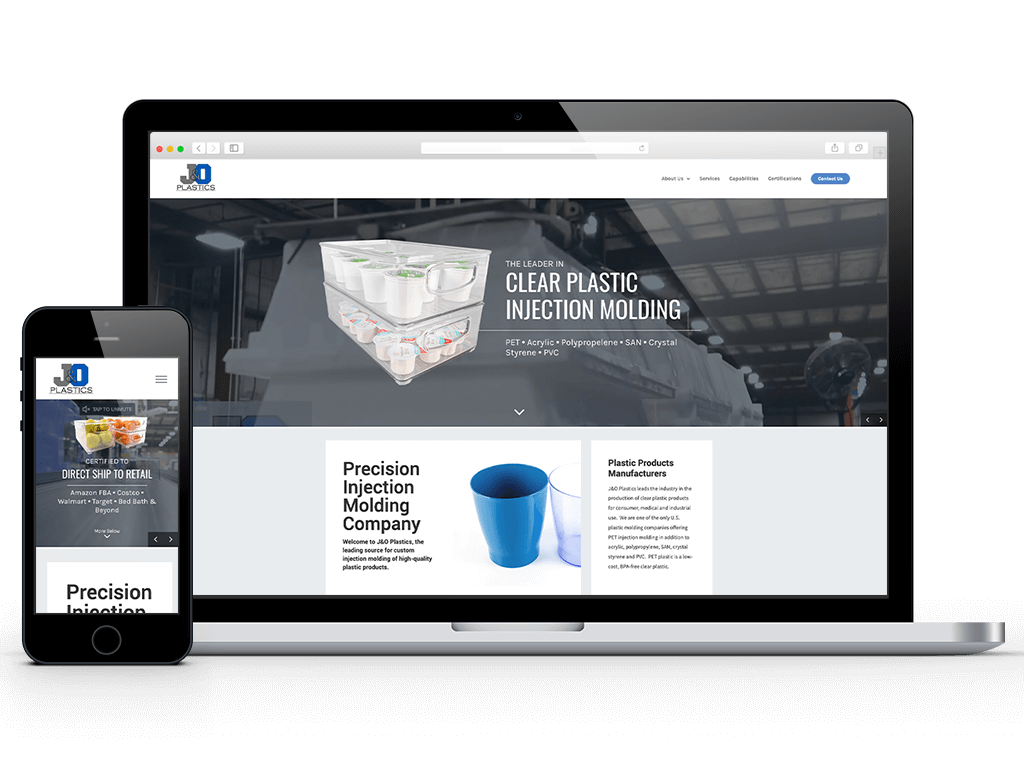
J&O Plastics needed a website that matched their scale, speed, and specialization in large-volume injection molding for consumer and commercial products.
- Challenge: An outdated site that didn’t communicate manufacturing capacity or quality control processes.
- Goal: Showcase their production capabilities and appeal to both contract manufacturers and consumer brands.
- Solution: A modern, streamlined site focused on core competencies, clean visuals of facility and equipment, and SEO built around “custom injection molding” and “high-volume plastic manufacturing.”
Key Takeaways from the 10 Sites We Built
Each manufacturer we worked with brought different challenges—but what they all needed was clarity, credibility, and performance. Some were held back by outdated visuals. Others lacked search visibility or had messaging that didn’t match what they actually do best.
What made the biggest difference wasn’t just design—it was direction. When a website clearly speaks to its audience, showcases real strengths, and is built with SEO in mind, it stops being a cost center and starts becoming a growth tool.
Strong manufacturing websites don’t just look better. They work better.
From Design to Results: What Makes a Website Work
The best manufacturing websites are aligned—from the first click to the last scroll. They tell the right story, to the right audience, at the right time. They support sales, attract decision-makers, and reinforce the reputation you’ve worked hard to build.
If your website doesn’t do that yet, you’re not alone. But it’s also not permanent.
Whether you’re ready for a full redesign or just want to explore what’s possible, it starts with a conversation.
What Makes the Best Manufacturing Websites Work?
Featured client/products:
Glass Floors | Semi Truck Ramp | Glass Blocks| SEO Services Near Me | Steel Yard Ramp | Ramp for Loading Dock | Glass Flooring | Loading Dock Ramps | Portable Yard Ramp | SEO Company Near Me | SEO Agency Akron | SEO Expert Near Me | Marketing Agencies Near Me | Marketing Agency Akron
Yard Ramps | Yard Ramp


